
Emergency Preparedness Essentials Every Home Should Have
Living in the Pacific Northwest, we’re no strangers to natural disasters. I’ve seen firsthand how quickly things can change, from heavy winter storms knocking out power, to wildfire smoke choking entire regions, to the constant reminder that we live in earthquake country. Emergencies don’t just happen “somewhere else,” and they don’t discriminate between old homes, new builds, cities, or rural areas.
Being prepared isn’t about panic or stockpiling—it’s about having a few smart, reliable essentials so you’re not scrambling when conditions turn serious. These are five emergency preparedness items I believe every home should have, based on real-world Northwest risks like winter weather, wildfires, and earthquakes.
1. Emergency Weather Radio (Your Lifeline When Power & Internet Go Down)
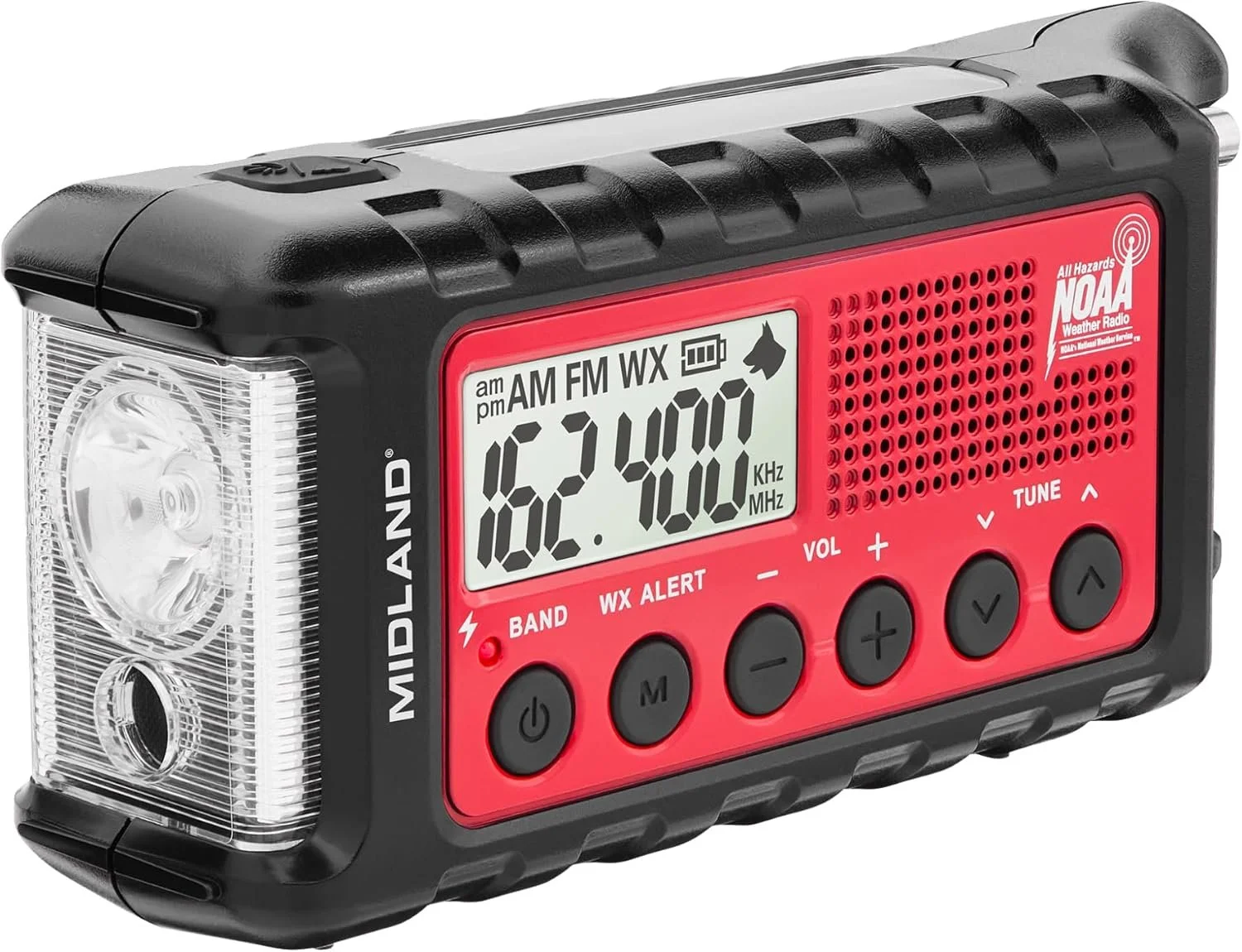
When storms roll in or wildfires threaten, information matters. Unfortunately, those are also the moments when internet and cell service are often unreliable—or completely gone.
The Midland ER310 Emergency Crank Weather Radio is one of the most dependable tools you can have during an emergency.
What makes it stand out:
Multiple power options: solar, hand crank, rechargeable battery, or AA batteries
NOAA weather scan and alerts for severe conditions
Built-in SOS flashlight and emergency beacon
USB charging for phones and small devices
Even includes an ultrasonic dog whistle for search and rescue scenarios
Customers consistently say it’s easy to use, reliable, and worth the investment, especially for emergency kits. Sound quality and reception get mixed reviews depending on location, but as an emergency alert and information tool, it does exactly what it’s meant to do.
2. Clean Water Filtration (Because Water Isn’t Guaranteed)
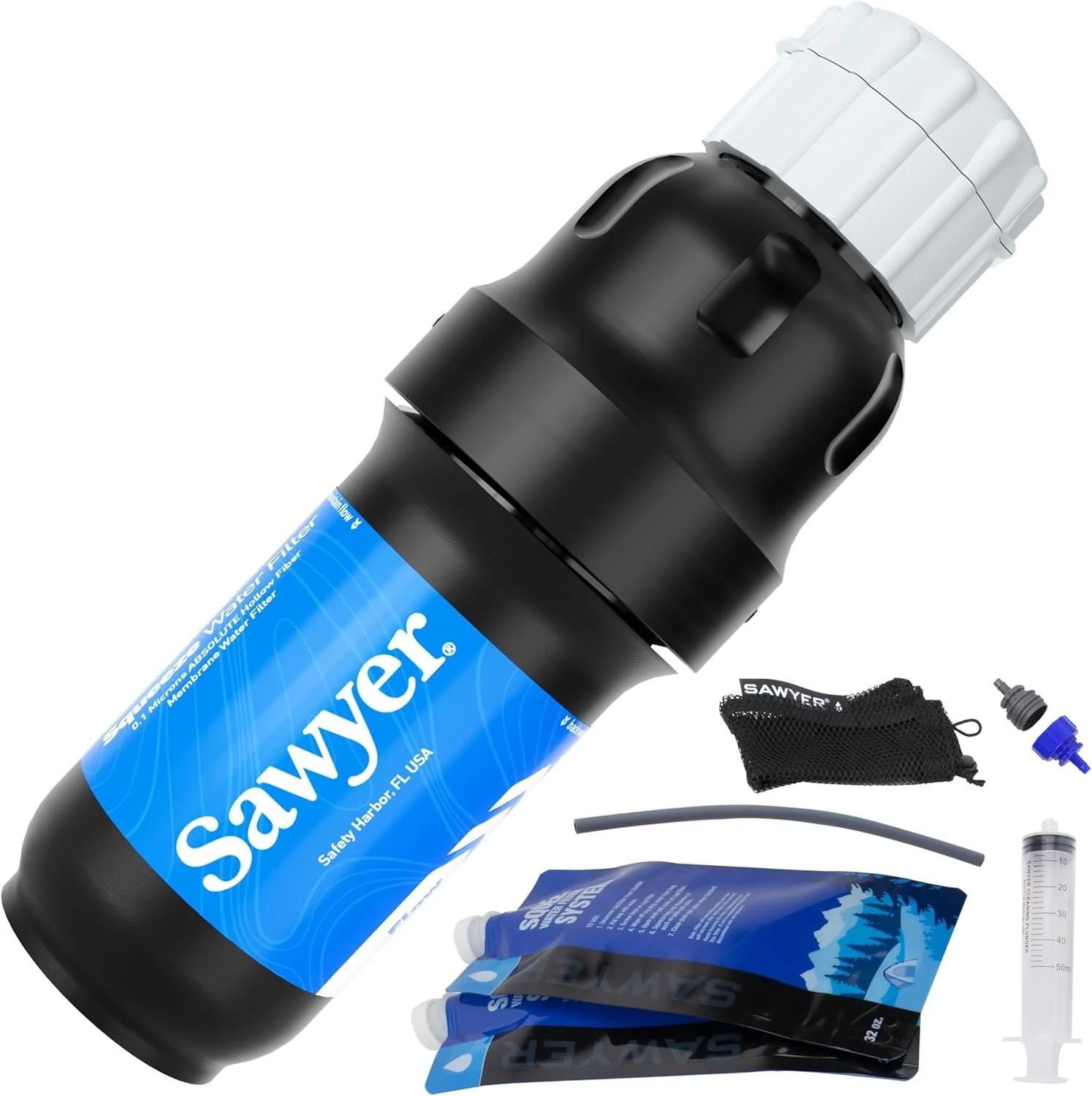
In earthquakes, water lines can break. During wildfires, water systems can become contaminated. In winter storms, boil advisories aren’t uncommon.
A portable water filtration system is one of the simplest ways to protect yourself.
I personally own and use the Sawyer Squeeze Water Filtration System—both for backpacking and in my emergency preparedness kit.
Why it’s a standout:
Removes bacteria, protozoa, cysts, sediment, and 100% of microplastics
Lightweight and easy to use
Reusable for up to 100,000 gallons
Excellent flow rate compared to similar systems
Includes a durable 2-liter Cnoc bladder with a wide opening
Customers love how lightweight and effective it is, especially in backcountry settings. Durability of the bags gets mixed feedback, which is why I always recommend having a backup container—but the filter itself is incredibly reliable.
3. Portable Power Station (Modern Backup Power Without the Noise)
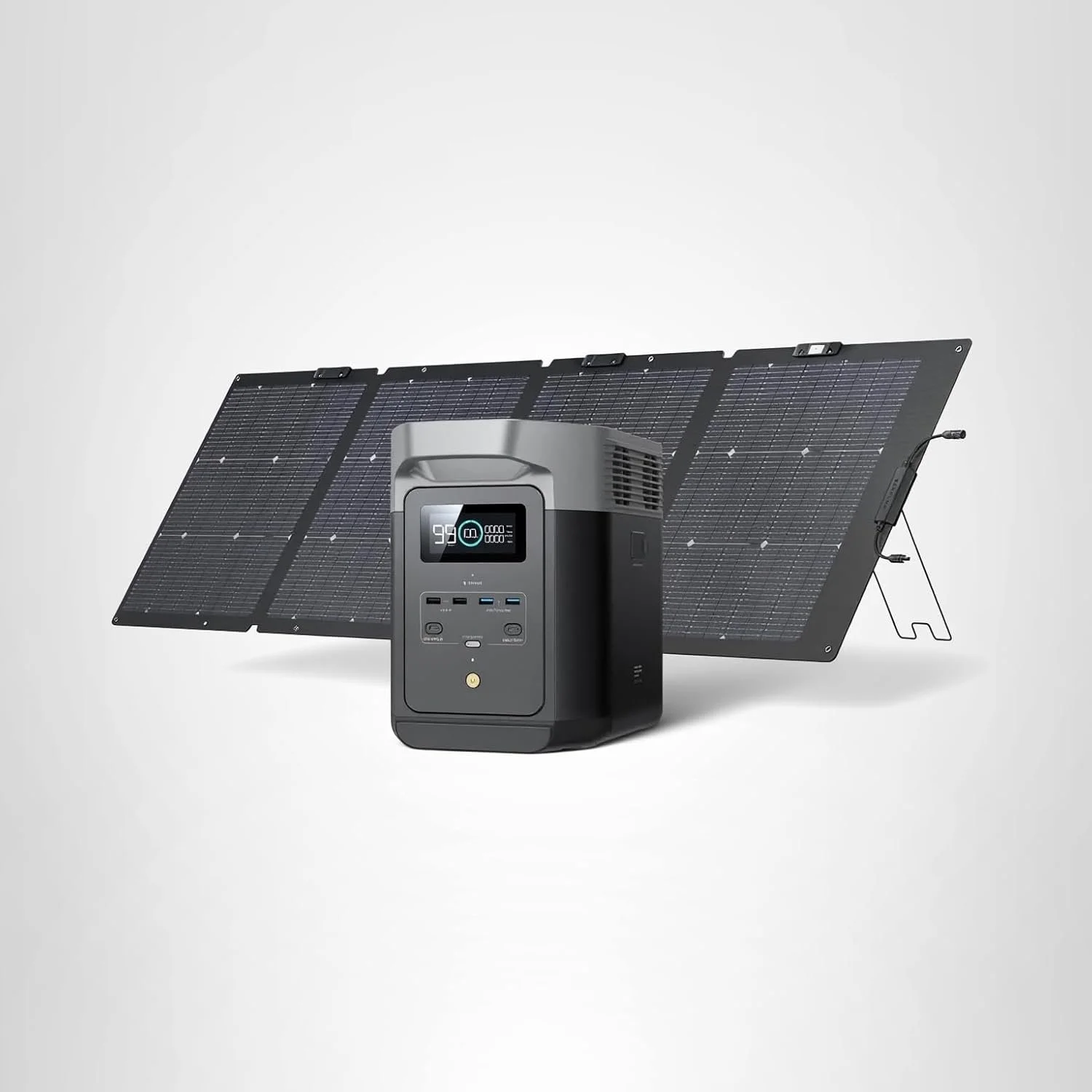
Power outages are one of the most common emergencies in the Northwest—whether it’s wind, ice, heavy snow, or extreme heat.
I’ve looked into whole-home battery systems, but for my needs, they’re expensive and unnecessary. A portable solar generator offers flexibility without a massive investment.
The EF ECOFLOW DELTA 2 Solar Generator is a powerful, quiet, and clean option for home backup power.
Key features:
1024Wh capacity with expandable storage up to 3kWh
1800W output—enough to run most household essentials
Fast charging via solar, wall outlet, or car
Long-lasting LiFePO4 battery rated for 3,000+ cycles
Can power refrigerators, internet equipment, lights, and more
Customers regularly mention how easy it is to set up and how well it performs—even running things like Starlink internet during outages. I’ve written a full, in-depth review comparing solar generators, which I recommend reading if you’re deciding between options.
Read the full solar generator review here
4. Emergency Food Supply (Simple Calories When Cooking Isn’t an Option)
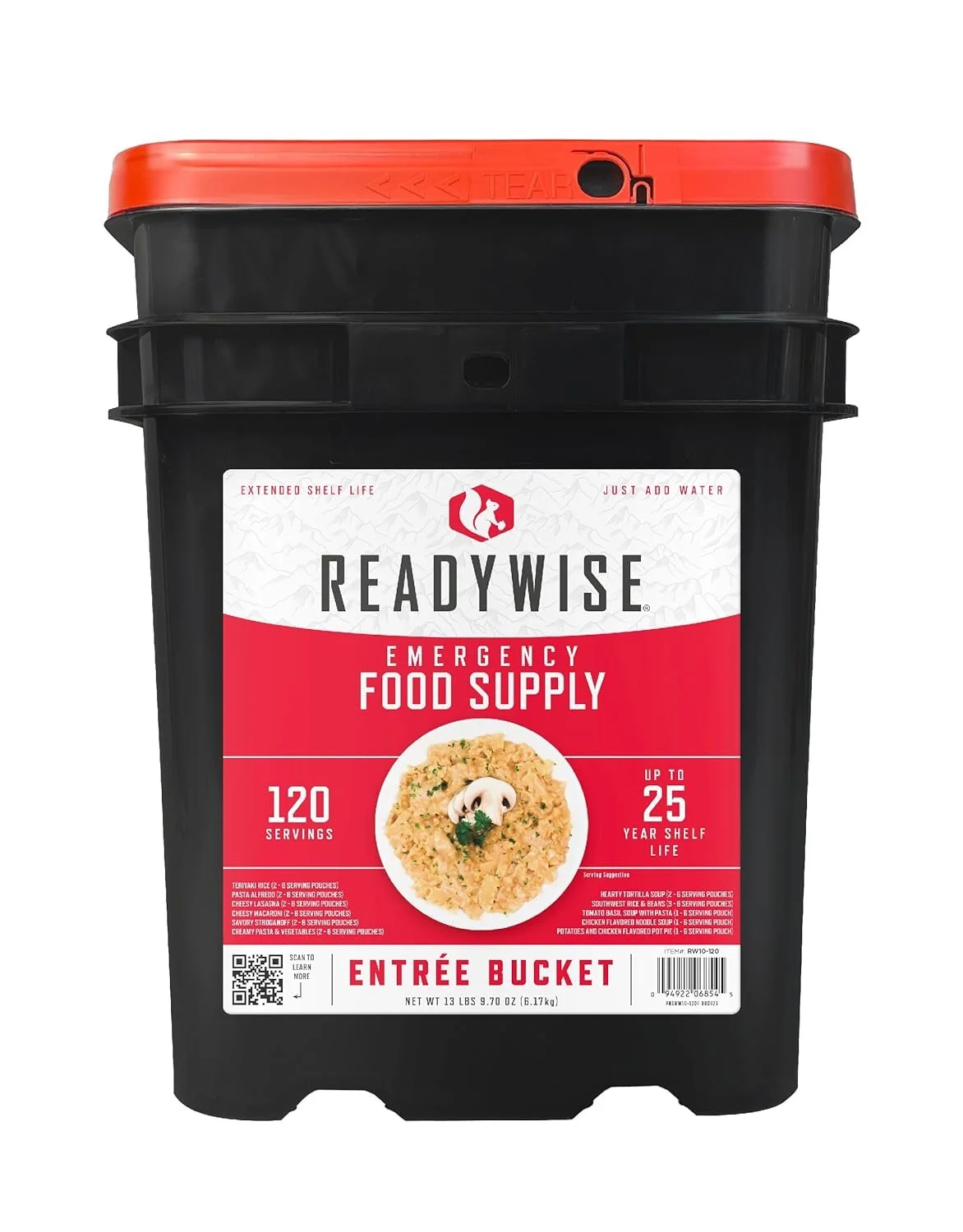
During an emergency, food doesn’t need to be gourmet—it needs to be easy, shelf-stable, and filling.
The ReadyWise 120-Serving Emergency Food Bucket is a solid starter option for households that want long-term storage without overthinking it.
Why it works:
Up to 25-year shelf life
Freeze-dried and dehydrated meals—just add water
Stackable bucket for easy storage
Wide variety of meals like pasta, rice dishes, and soups
Customers appreciate the long shelf life and convenience. Taste and serving size reviews are mixed, which is common with emergency food, but as a backup calorie source during power outages or evacuations, it serves its purpose well.
5. Comprehensive First Aid Kit (More Than a Few Bandages)
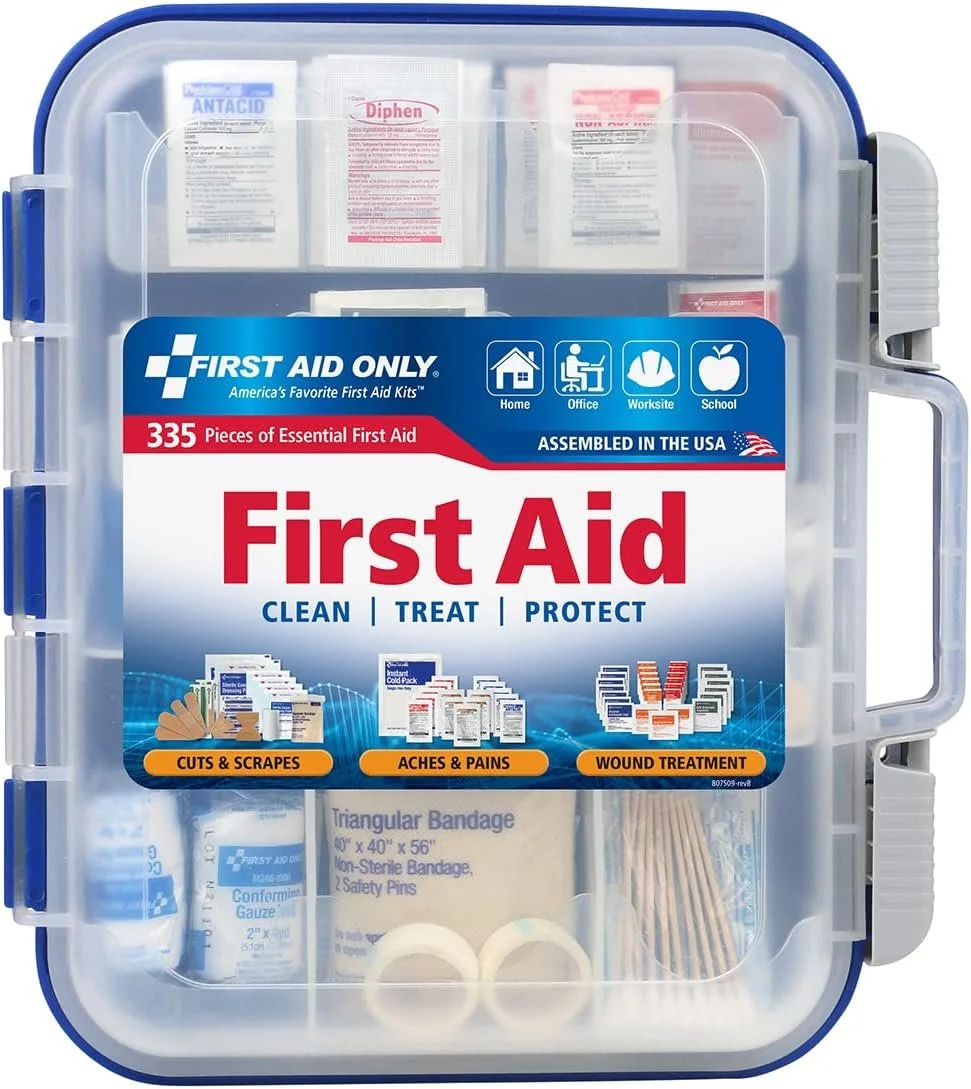
In earthquakes or storms, emergency services may be delayed. A well-stocked first aid kit can make a real difference.
The First Aid Only OSHA-Compliant 100-Person First Aid Kit is far more complete than typical home kits.
What it includes:
Bandages, gauze, burn care, antiseptics
Gloves, scissors, tweezers
Organized compartments with a clear, wall-mountable case
Suitable for home, garage, car, or workshop
Customers consistently mention how comprehensive and well-organized it is, making it easy to find what you need quickly. Some mixed feedback on storage stickiness, but overall it’s considered a great value for the amount of supplies included.
Final Thoughts: Prepared, Not Panicked
Emergency preparedness isn’t about fear—it’s about peace of mind. Living in the Pacific Northwest means accepting that winter storms, wildfires, and earthquakes are part of the landscape. A few thoughtful investments now can make a stressful situation far more manageable later.
Start with information, power, water, food, and medical basics—and build from there.