From Garden Peppers to Homemade Smoked Pepper Powder
How I turned my last Anaheim, banana, lunchbox, and jalapeño peppers into a smoky, flavorful homemade seasoning.
There’s something incredibly satisfying about growing your own food. But I think there’s something even better about finding ways to enjoy that harvest long after the growing season ends.
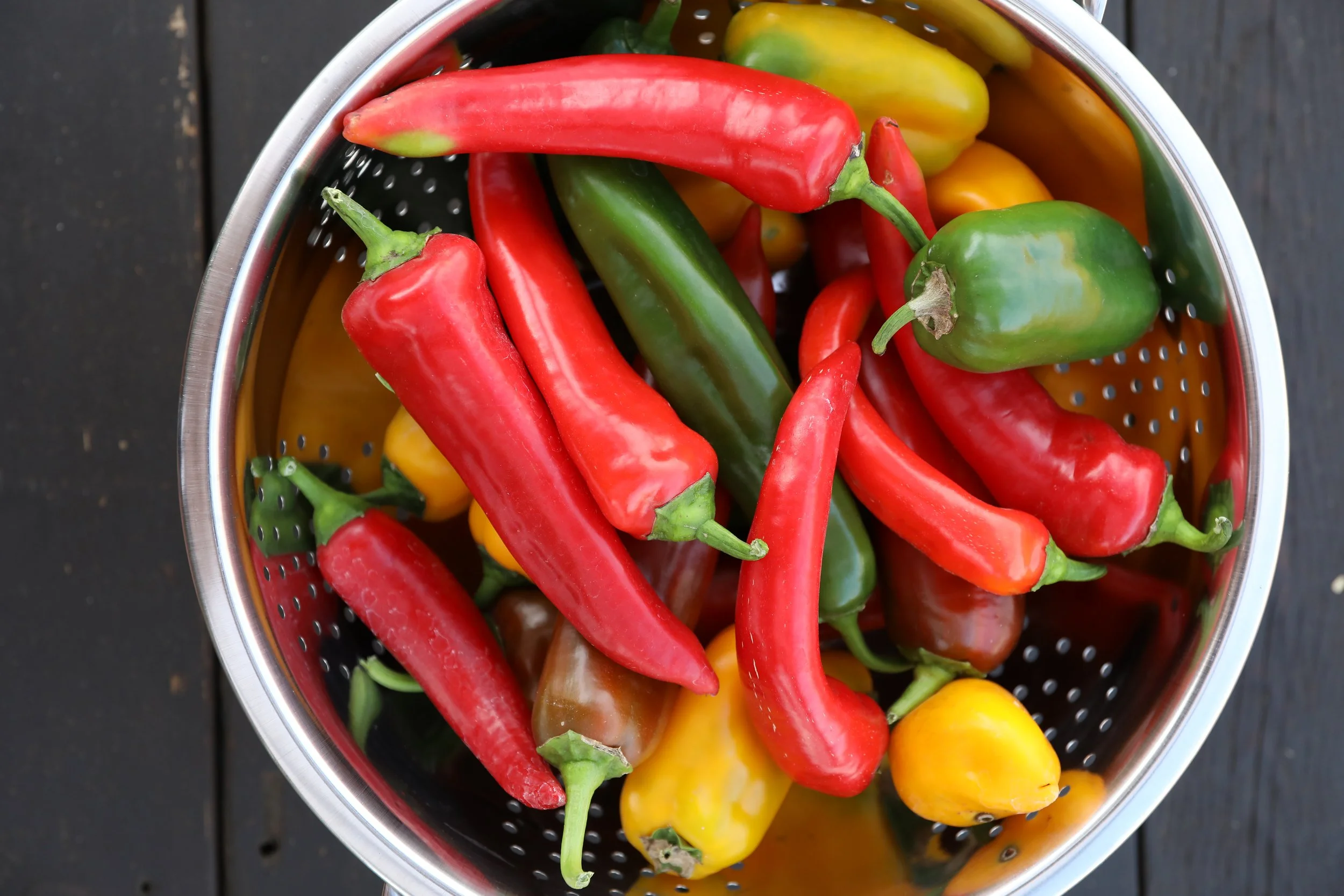
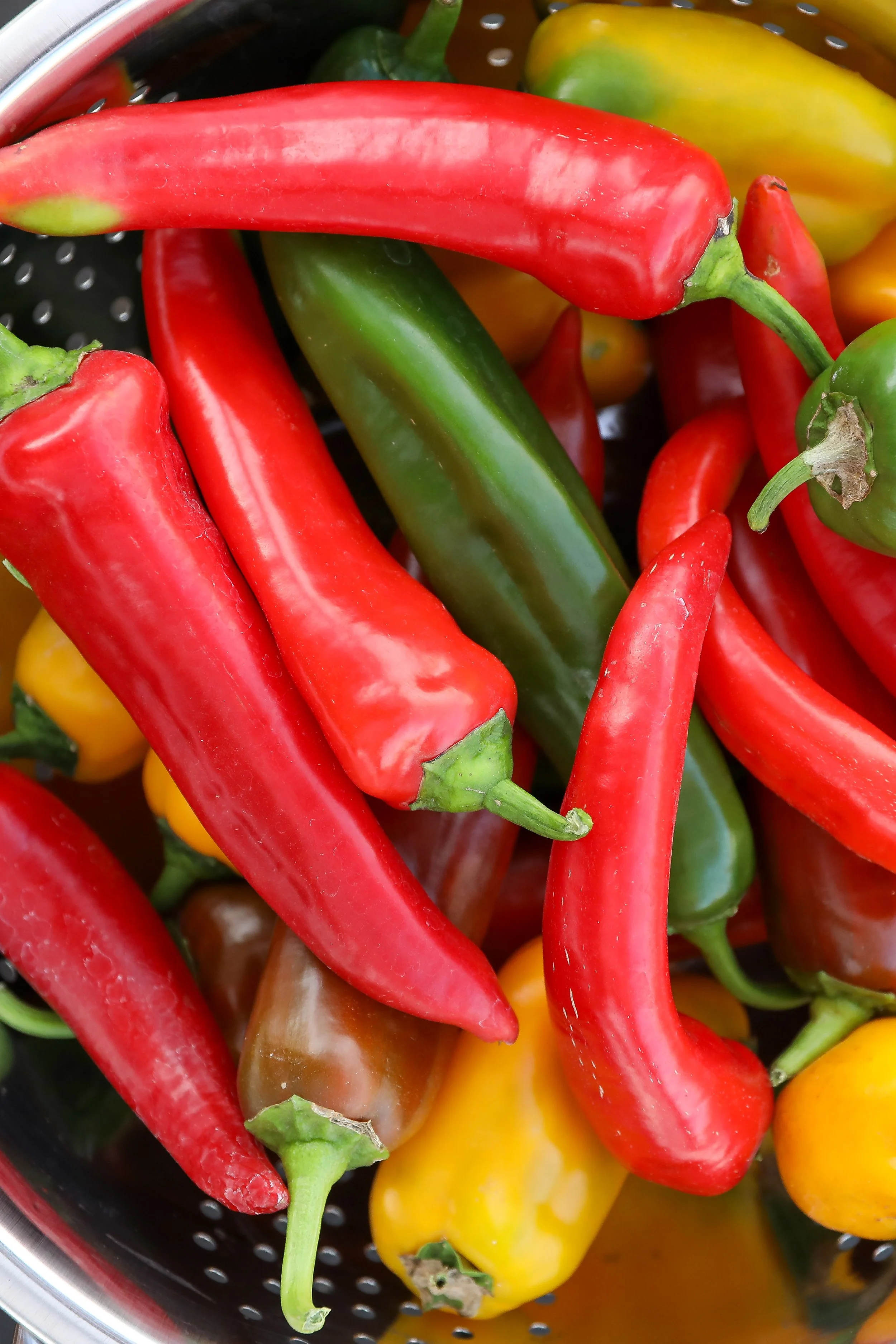
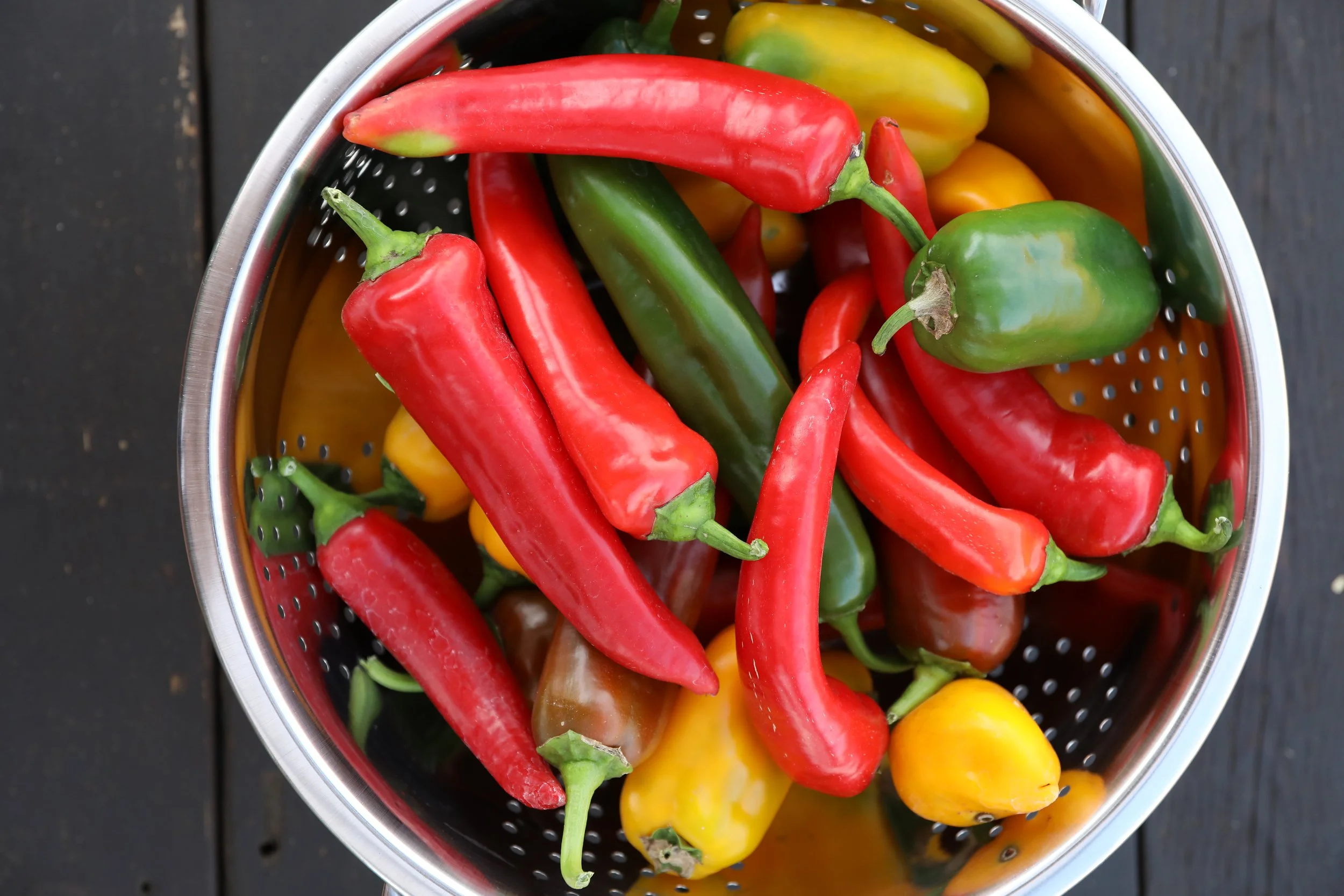
As my garden winds down for the year, I’ve been looking for creative ways to preserve what’s left. I had a handful of Anaheim peppers, banana peppers, lunchbox peppers, and a jalapeño that needed to be used.
Sure, I could have frozen them. I could have pickled them. But I wanted to try something a little different.
What if I smoked them, dehydrated them, and turned them into my own homemade pepper powder?
Well, I gave it a shot. And the result? Absolutely amazing.
The smell alone was worth the effort.
This post contains affiliate links. As an Amazon Associate, I earn from qualifying purchases at no additional cost to you.
A Little Bit of Everything From the Garden
One thing I love about gardening is that you don't always need a perfectly planned harvest to make something wonderful.
For this experiment, I used whatever peppers were ready:
Anaheim peppers: Generally mild, with an earthy pepper flavor and just a little heat.
Banana peppers: Sweet, tangy, and usually fairly mild.
Lunchbox peppers: Small, sweet peppers that bring plenty of flavor without much heat.
Jalapeño: Just enough spice to give the finished powder a little kick.
Some of my peppers had ripened to red, while others were still their original colors. I wasn't concerned about getting an exact ratio of each variety.
In fact, that's part of the fun. Every batch can be a little different depending on what's growing in your garden.
The goal wasn't to recreate a store-bought seasoning. It was to capture the flavor of my own harvest.
Step 1: Into the Traeger for Some Smoke
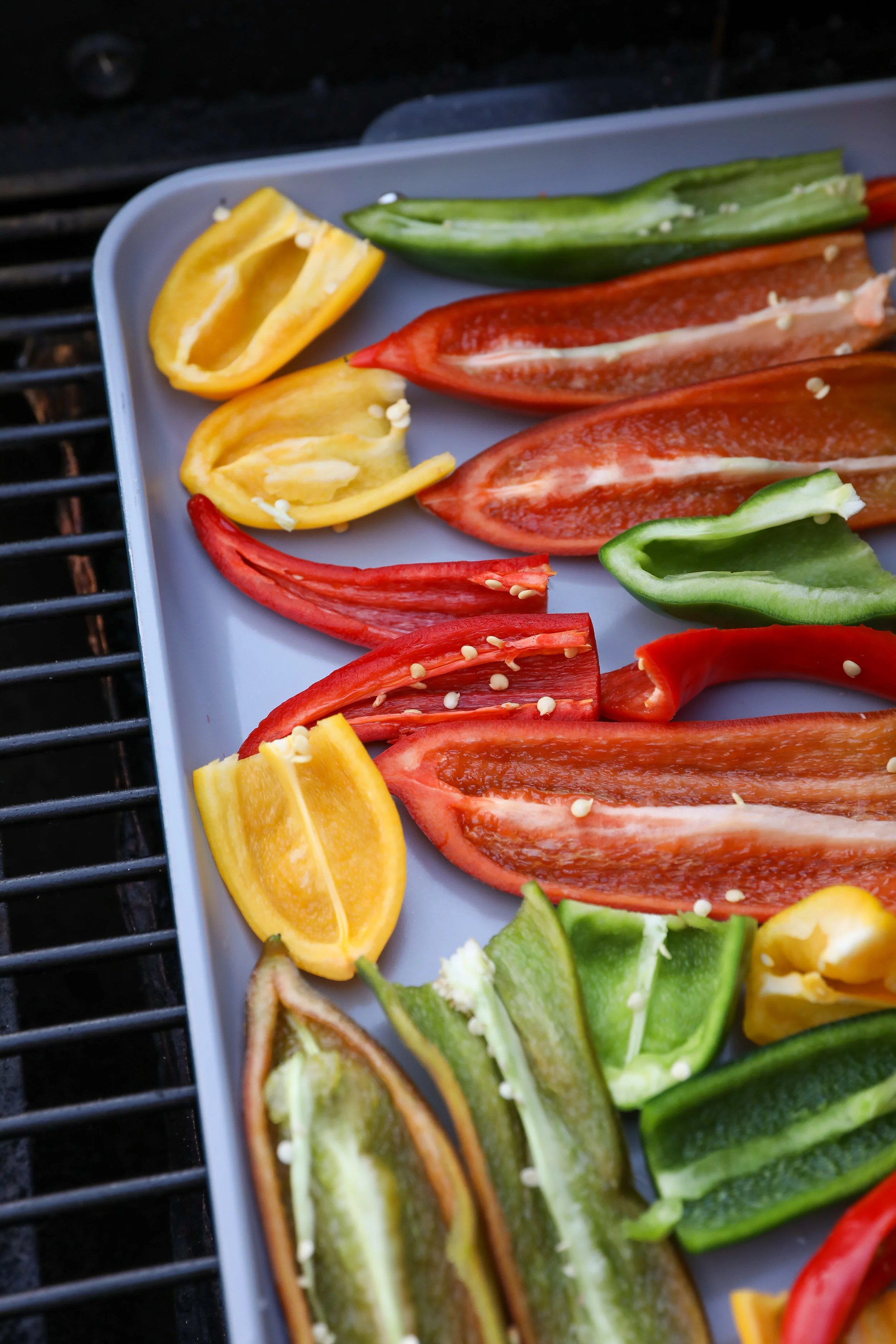
I decided to start with my Traeger pellet grill.
Smoking the peppers before dehydrating them adds another layer of flavor that you simply won't get by drying them alone.
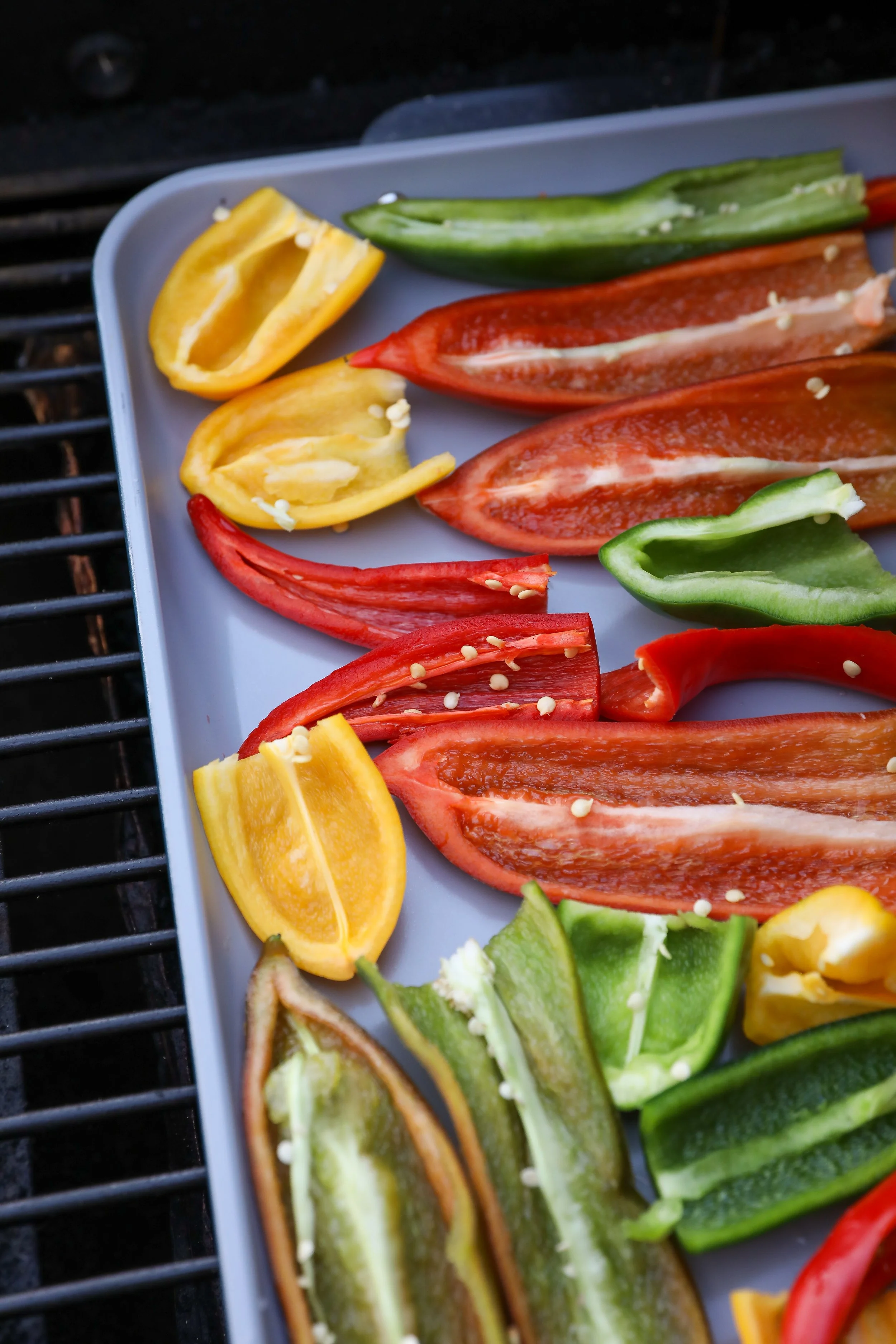
I washed the peppers, prepared them for smoking, and arranged them on the grill so the smoke could circulate around them.
I smoked the peppers for about an hour and a half.
I wasn't trying to cook them until they were falling apart. I just wanted them to absorb some of that wonderful wood-fired flavor before moving on to the dehydrator.
And that smoky aroma? Already promising.
You certainly don't need a pellet grill to make homemade pepper powder, but if you have one, this is a fantastic way to put it to work beyond the usual brisket, ribs, and chicken.
Step 2: Drying the Peppers in My COSORI Dehydrator
After their time on the Traeger, the peppers went into my COSORI food dehydrator.
This is where the magic really started happening.
Dehydrating removes the moisture from the peppers, allowing them to be ground into a fine powder that can be stored and used in countless recipes.
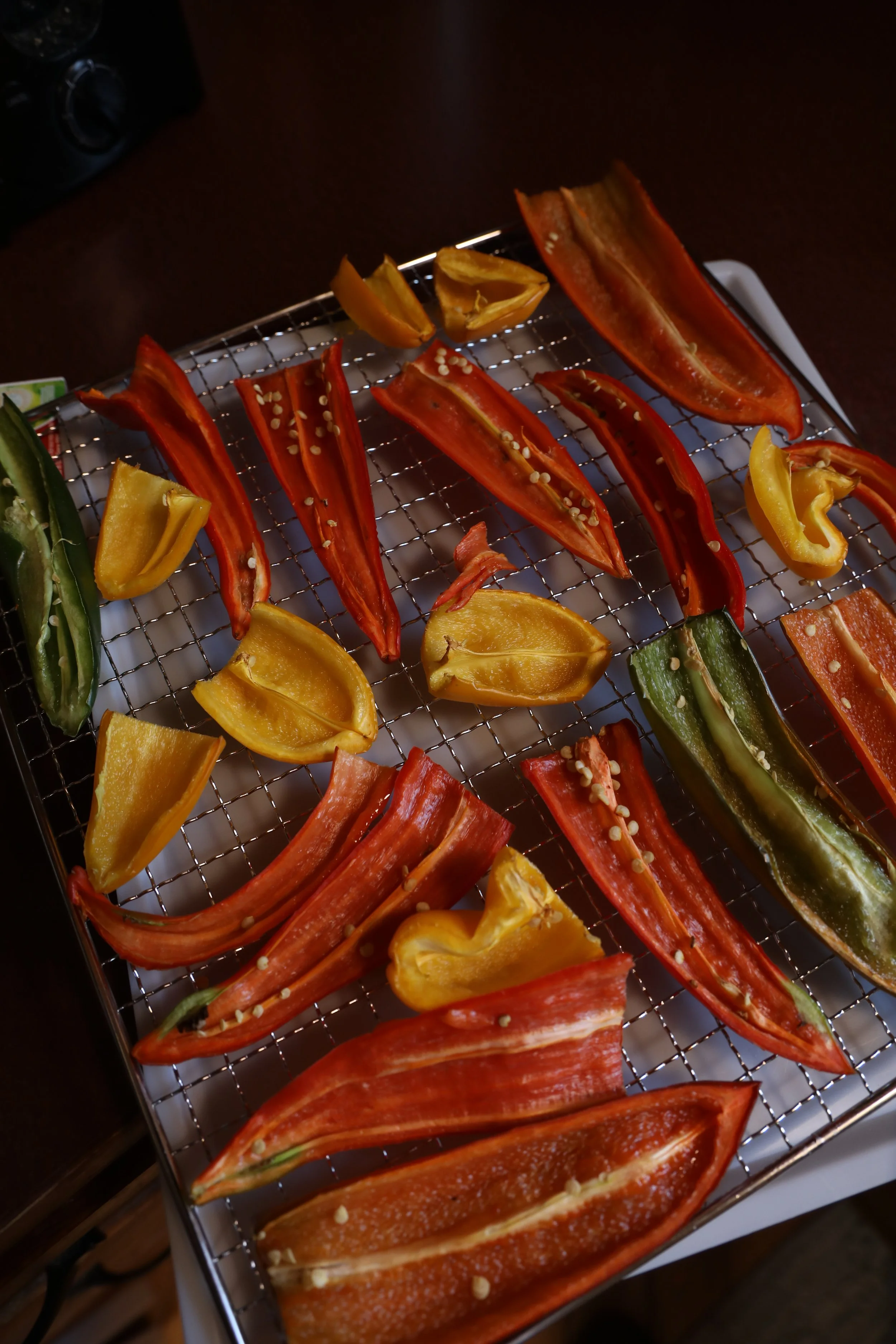
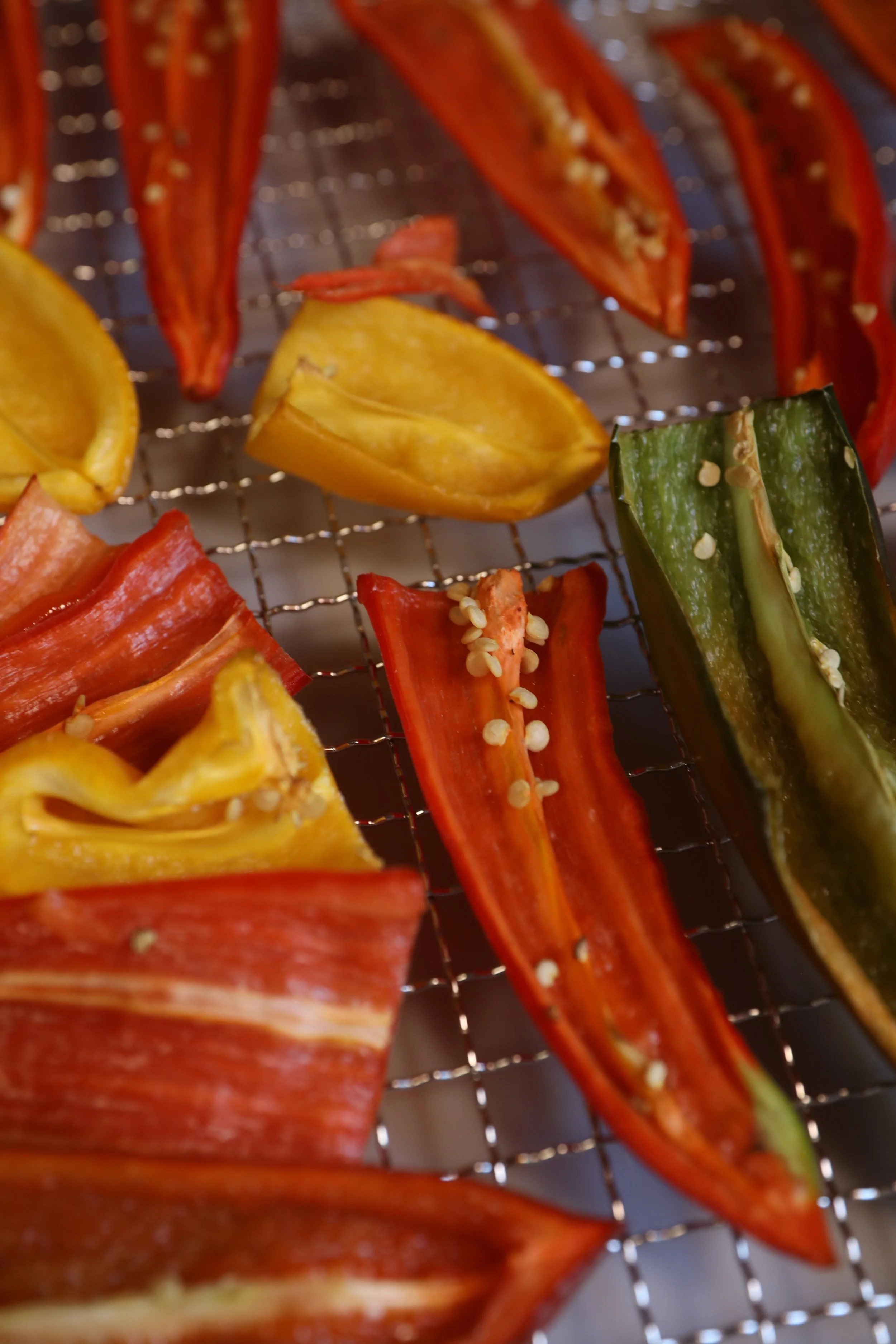
I spread the smoked peppers across the dehydrator trays, leaving room for air to circulate.
For pepper powder, the key is getting the peppers completely dry and brittle before grinding.
Any remaining moisture can cause the powder to clump and potentially spoil during storage.
For most peppers, a dehydrator temperature around 125–135°F is a reasonable starting point. The drying time will vary depending on the thickness of the peppers, how they're cut, and how much moisture they contain.
Rather than watching the clock, look for the right texture.
The peppers should snap or crumble easily, without any soft or leathery spots.
One thing I particularly like about using a dehydrator is that it takes so much of the guesswork out of preserving garden produce.
I've been experimenting with drying more of what I grow, and turning fresh ingredients into homemade pantry staples is quickly becoming one of my favorite ways to preserve the harvest.
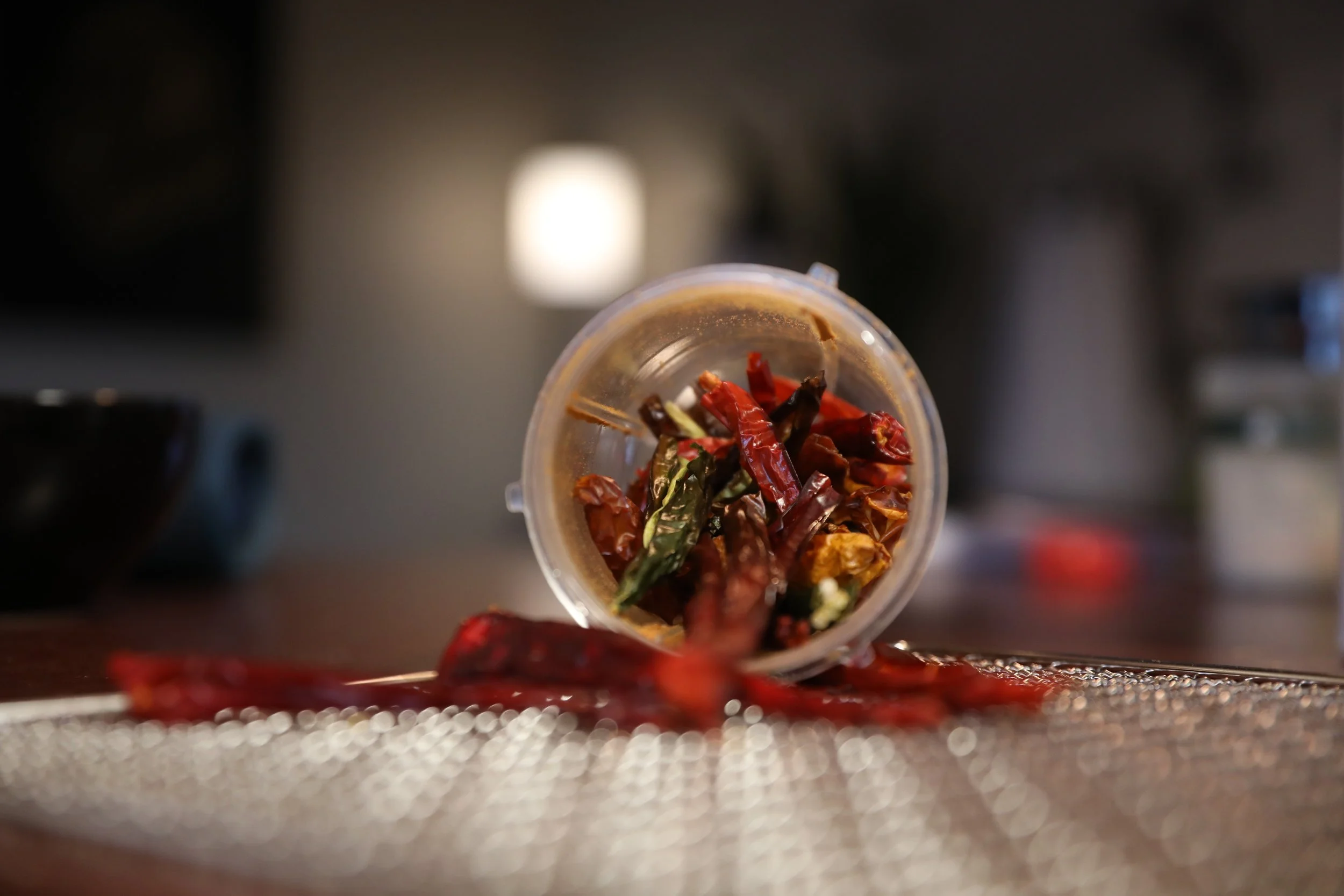
Step 3: Turning Dried Peppers Into Powder
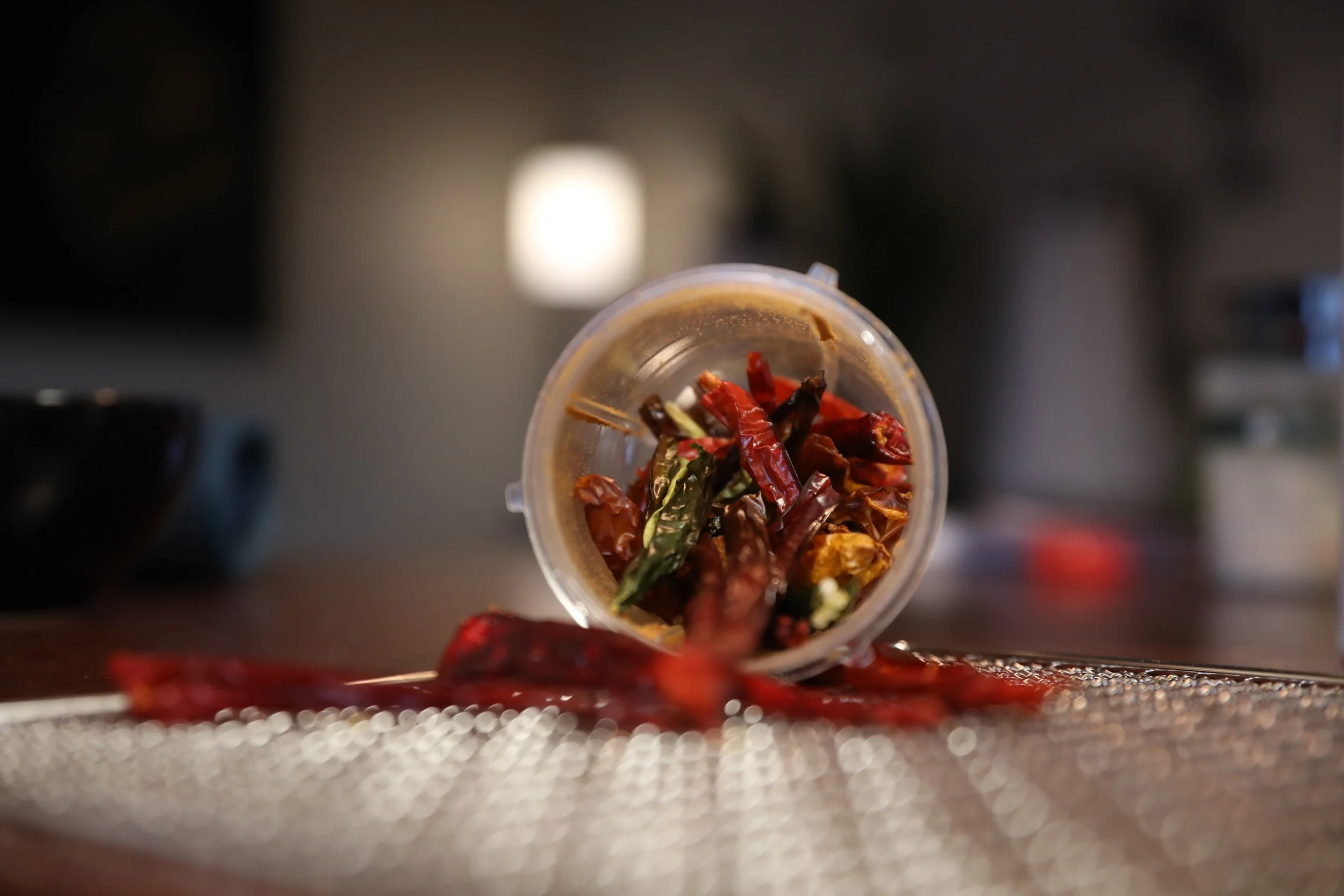
Once the peppers were completely dry, it was time for the final step: grinding.
I let everything cool and then ground the dried peppers into a powder.
This is the part I was most excited about.
As soon as I started grinding, the aroma was incredible.
Smoky. Sweet. Rich. Just a little spicy.
It's hard to describe how different freshly ground pepper powder smells compared with something that's been sitting in a grocery store spice aisle for who knows how long.
And the flavor? Just as good.
The combination of peppers created something much more interesting than plain chili powder. The sweeter peppers balanced the jalapeño, while the smoke tied everything together.
It wasn't overwhelmingly hot. It was flavorful.
A word of caution: Grinding dried hot peppers can release irritating airborne particles. Work in a well-ventilated area, avoid breathing the dust, and let the grinder settle before opening it. Wearing gloves when handling the peppers is also a good idea.
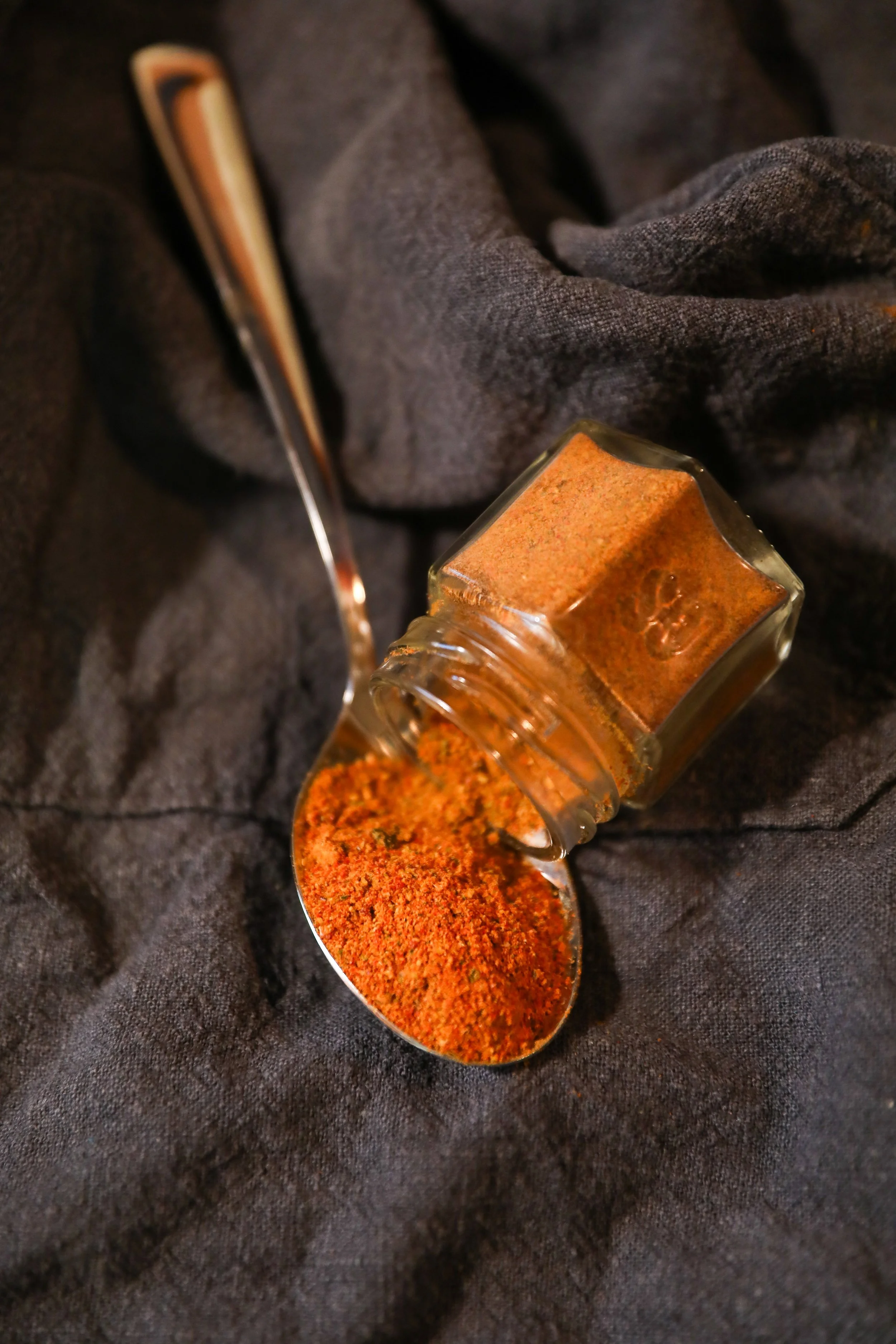
Step 4: Storing My Homemade Smoked Pepper Powder
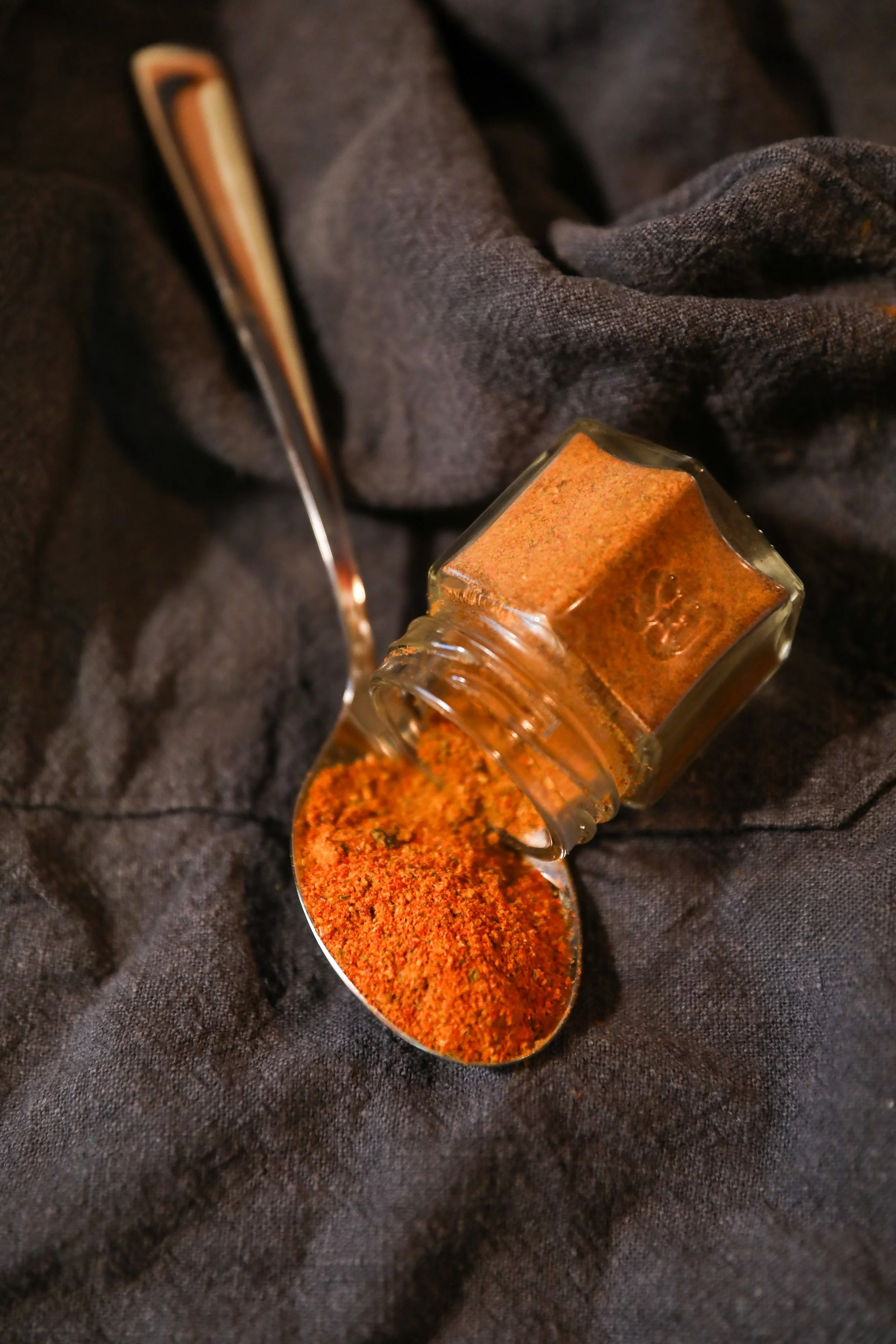
Once everything was ground, I transferred the powder into a clean, completely dry, airtight jar.
I love having homemade seasonings lined up in my pantry, especially when I know exactly where the ingredients came from.
For the best quality, keep homemade pepper powder away from heat, sunlight, and moisture.
I also recommend labeling the jar with the ingredients and the date it was made. If the powder develops condensation, damp clumps, mold, or an unusual smell, discard it.
Because home drying conditions vary, I don't assume homemade pepper powder will have the same shelf life as commercially processed spices. I prefer making manageable batches and checking them regularly.
How I'm Planning to Use My Smoked Pepper Powder
Now that I've made a batch, I can already think of plenty of ways to use it.
Roasted vegetables: A little sprinkled over potatoes, carrots, or other vegetables before roasting.
Grilled chicken or pork: Mixed with salt, garlic powder, and other spices for an easy homemade rub.
Eggs and breakfast potatoes: A pinch for a smoky kick.
Soups and stews: An easy way to add depth without using bottled liquid smoke.
Homemade sauces: Stirred into barbecue sauce, tomato sauce, or marinades.
Popcorn: Because smoky pepper popcorn sounds pretty amazing.
The beauty of making your own seasoning is that you can experiment.
Next time, I might try a batch using only sweet peppers, or add a few more jalapeños for something with a little more heat.
I also want to experiment with different smoking woods to see how much they change the finished flavor.
Was Making Homemade Smoked Pepper Powder Worth It?
Absolutely.
This was one of those garden experiments where I wasn't entirely sure what to expect, but I'm glad I tried it.
I started with a random assortment of peppers that needed to be used. A little time on the Traeger, a trip through the dehydrator, and a quick grind later, I had a homemade seasoning that smells and tastes incredible.
And unlike some preserving projects, this one doesn't require jars of brine, freezer space, or a complicated recipe.
Just peppers, smoke, and a little patience.
It also reminded me of something I love about gardening: Sometimes the most rewarding part of the harvest isn't what you grow. It's what you figure out how to do with it.
I'm already looking forward to making another batch.
Have you ever made your own seasoning from homegrown peppers? I'd love to hear what varieties you've tried, especially if you've experimented with smoking them first.
More garden experiments, kitchen projects, and the occasional gadget worth trying at Garden & Gadgets.