
Spring Gardening in the Pacific Northwest: Don’t Let the Warm Weather Fool You
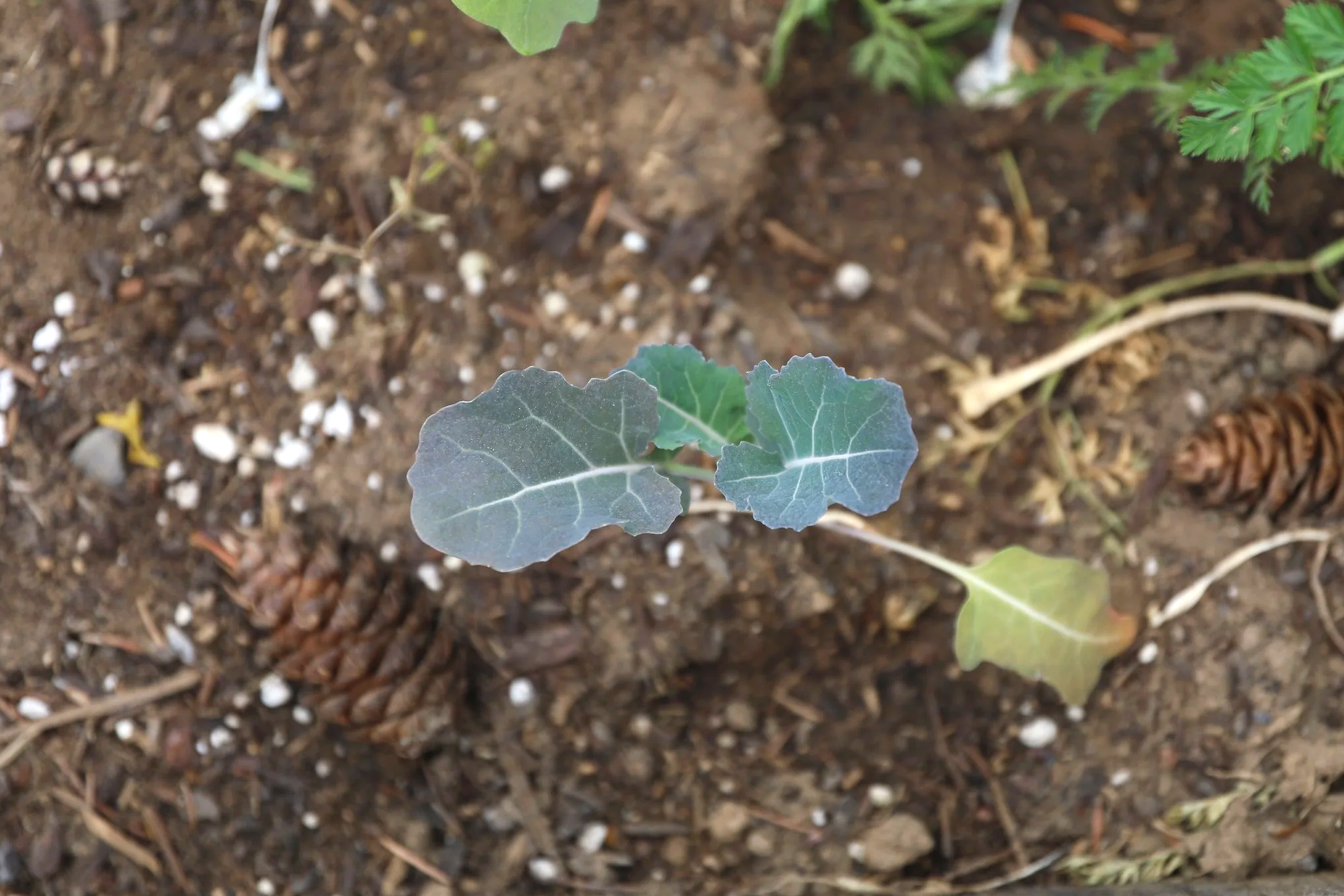
If you’re anything like me, the second we get a stretch of warm, dry weather here in Oregon, it’s hard not to grab a shovel and go all in.
After months of gray skies, it finally feels like spring.
But here’s the deal, especially in the Pacific Northwest:
This is where a lot of gardeners make their biggest mistake.
We get a few nice days, and suddenly it feels like it’s time to plant everything. Then a cold snap rolls through, the soil turns back into mud, and those early plantings struggle (or worse… don’t make it).
So instead of rushing it, here’s how to actually take advantage of this early spring window.
What You Can Plant Right Now (And Should)
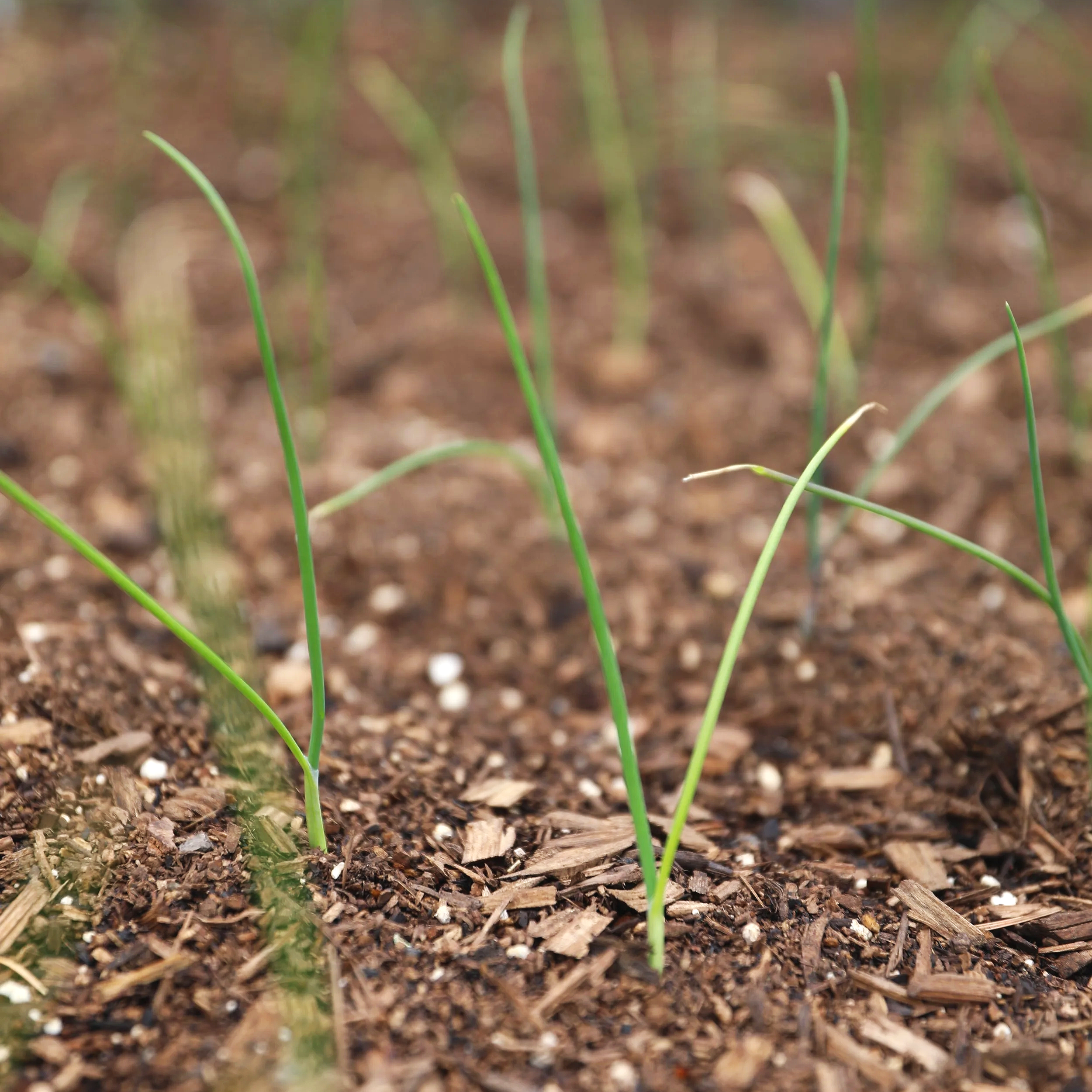
This is your moment for cool-season crops, the ones that actually prefer this kind of weather.
Right now, I’m planting:
Lettuce
Spinach
Kale
Arugula
Peas
Radishes
Carrots
Beets
Onion starts
These crops don’t just tolerate cool temps, they thrive in them.
If you’ve followed my garden for a bit, you know onions are a staple for me. Starting them early in well-draining soil has been one of the most reliable wins in my garden year after year.
If you’re new to growing your own food, check out my post on The Top 11 Easiest Vegetables to Grow for Beginner Gardeners, a lot of these are on that list for a reason.
What I’m NOT Planting Yet (Even If It Feels Like Summer)
This is where patience pays off.
Even if it’s 65° during the day, your soil is still cold and that’s what matters most.
Still holding off on:
Tomatoes
Peppers
Squash
Cucumbers
Basil
Plant these too early and they’ll just sit there… or worse, get hit by a late frost and you’re starting over.
What to Watch Out for This Year
This warm, dry spring is great, but it comes with a few traps.
1. False Spring Is Real
We’re not out of the woods yet.
A single cold night can undo a lot of progress. I always plan like we’ve got at least one more cold snap coming, because we usually do.
2. Soil That Looks Ready Isn’t Always Ready
One of the biggest mistakes is working soil too early.
Even if the top looks dry, the soil underneath might still be holding moisture.
Quick test I use:
Grab a handful and squeeze it.
If it crumbles → good to go
If it clumps → give it more time
3. Pests Are Showing Up Early
Warmer weather wakes everything up; including the stuff you don’t want.
Start keeping an eye out for:
Aphids
Slugs
Leaf damage on greens
Catching this early makes a huge difference.
What I’m Doing Right Now to Get Ahead
This is where you can really separate a decent season from a great one.
1. Building Better Soil (This Matters More Than Anything)
Right now I’m:
Adding compost to every bed
Lightly loosening soil (not overworking it)
Topping with mulch
Healthy soil = less watering, stronger plants, better yields. If you’re improving your beds this year, this is also a great time to plan out spacing and layout before everything fills in.
2. Getting My Watering Dialed In Early
I’m not waiting until summer to think about watering.
I’m:
Checking my irrigation zones
Watching for dry spots
Adjusting schedules early
(If you’ve ever had uneven watering, you know how much it affects growth.)
3. Warming Up My Soil (Underrated Trick)
If you want a real edge, warming your soil early is a game changer.
Simple ways to do it:
Black plastic
Landscape fabric
Row covers
Low tunnels
This can buy you a couple extra weeks of planting time without risking your plants.
4. Planting in Waves (Instead of All at Once)
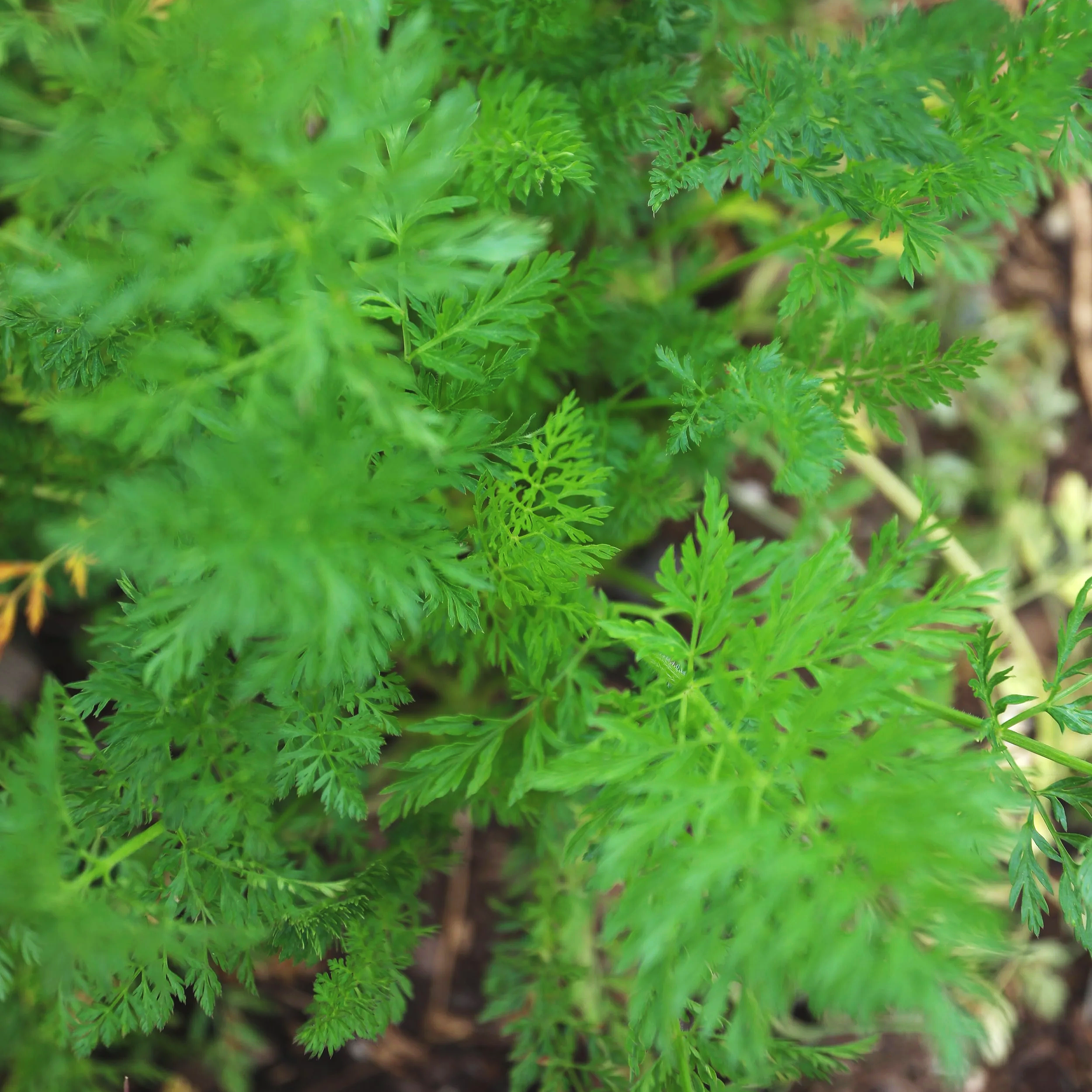
This has been one of the biggest improvements in my garden.
Instead of planting everything at once:
I sow small batches every 1–2 weeks
This gives:
Continuous harvests
Less risk if weather shifts
Way less overwhelm
A Smarter Way to Approach the Season
One thing that’s really changed how I garden is thinking in phases instead of reacting to the weather.
Early Spring:
Prep, soil work, cold crops
Late Spring:
Main planting season
Summer:
Maintain and harvest
It keeps things simple—and way less stressful.
Tools & Gear That Actually Help
These are a few things that make early spring gardening easier and more successful:
Soil thermometer – takes the guesswork out of planting timing
Row covers or frost cloth – cheap insurance against cold nights
Compost / soil conditioner– biggest return on investment in the garden
Drip irrigation or smart controllers – especially helpful in dry springs
Final Thoughts
That early sunshine feels like a green light, but in the Pacific Northwest, it’s more like a head start, not the main event.
If you use this time to:
Prep your soil
Plant the right crops
Stay patient with the warm-season stuff
You’ll be way ahead when the real growing season kicks in.
Plant smart now, and your future garden will thank you.